

Introduction
In today’s fast-paced world, where time is a precious commodity, health and fitness have become vital concerns for individuals seeking a balanced and fulfilling lifestyle. Technological advancements have revolutionized the way we approach health and fitness, offering innovative solutions to improve physical and mental well-being. From wearable devices and mobile applications to virtual fitness classes and telemedicine, technology has become an indispensable tool in empowering individuals to take charge of their health and fitness journey. This article explores the important role technology plays in promoting a healthier and fitter society and highlights the key benefits it offers.
- Wearable Devices: The Power of Tracking
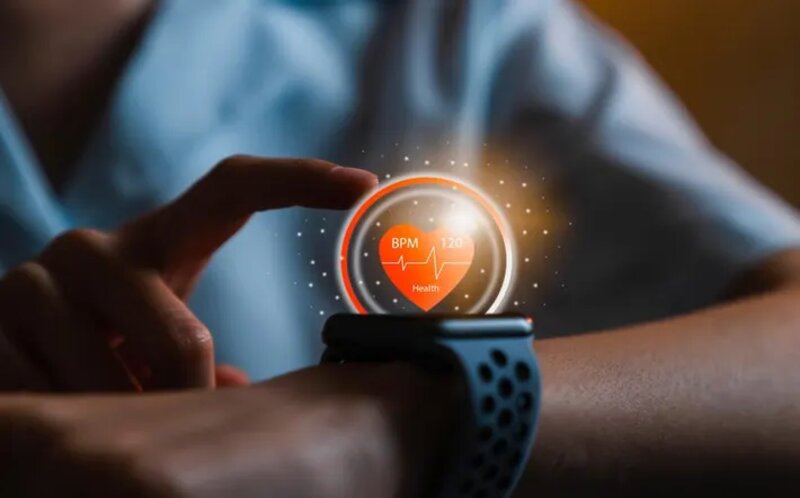
Wearable devices, such as fitness trackers and smartwatches, have emerged as popular gadgets that help individuals monitor their daily activities and make informed decisions about their health. These devices are equipped with sensors that can track steps, heart rate, sleep patterns, and even stress levels. By collecting and analyzing this data, users gain insights into their overall health and can set achievable fitness goals. The real-time feedback provided by wearable devices serves as a motivating factor, encouraging users to stay active and maintain a healthy lifestyle.
- Mobile Applications: Personalized Fitness at Your Fingertips
Mobile applications have revolutionized the fitness industry, offering a vast array of options for individuals to exercise, track nutrition, and manage their well-being. Fitness apps provide personalized workout routines, meal plans, and progress tracking tools, making it easier for people to follow a fitness regimen tailored to their specific needs and preferences. Additionally, these apps often include social features that allow users to connect with like-minded individuals, creating a supportive and motivational community.
- Virtual Fitness Classes: Breaking Barriers and Building Connections
Virtual fitness classes have become a game-changer, especially during challenging times like the COVID-19 pandemic, when traditional gyms and fitness centers faced restrictions. Through online platforms, individuals can access a wide variety of fitness classes and training sessions from the comfort of their homes. Whether it’s yoga, HIIT, dance, or martial arts, the virtual space has broken geographical barriers and opened doors to a global fitness community. Moreover, these classes often include live interactions with instructors, fostering a sense of camaraderie and support among participants.
- Telemedicine: Revolutionizing Healthcare Accessibility
Telemedicine has made significant strides in the healthcare sector, improving access to medical services and advice. With telemedicine, individuals can consult doctors and healthcare professionals remotely, eliminating the need for physical visits to clinics or hospitals for routine check-ups or minor health concerns. This technology has proved particularly beneficial to individuals in rural or remote areas, as well as those with mobility issues, ensuring that everyone has access to timely healthcare guidance and support.
- Virtual Reality (VR) Fitness: Making Exercise Engaging
Virtual Reality (VR) has transformed the way people perceive exercise by turning it into an immersive and enjoyable experience. VR fitness games and applications combine physical activity with virtual worlds, motivating users to engage in workouts with enthusiasm and excitement. This gamification of fitness not only encourages regular exercise but also adds an element of entertainment, reducing the chances of workout monotony and dropout rates.
- Artificial Intelligence (AI): Enhancing Personalized Health Insights
Artificial Intelligence (AI) has brought personalization to a new level in health and fitness. AI-driven algorithms analyze vast amounts of user data from wearable devices, fitness apps, and other sources to offer personalized insights and recommendations. From suggesting personalized workout routines and meal plans to predicting potential health risks, AI empowers individuals to make data-driven decisions that align with their unique needs and goals.
- Smart Home Fitness Equipment: Convenience Redefined
Smart home fitness equipment has made working out at home more convenient and efficient. From smart exercise bikes and treadmills to connected strength training equipment, these devices offer interactive workout experiences with built-in screens and access to virtual classes. The seamless integration with mobile apps and wearables allows users to track their progress effortlessly, creating a holistic fitness ecosystem within the home environment.
Conclusion
As technology continues to advance, its integration into health and fitness practices will play a pivotal role in improving overall well-being and quality of life. Wearable devices, mobile applications, virtual fitness classes, telemedicine, VR fitness, AI-driven insights, and smart home fitness equipment are just a few examples of how technology is shaping the health and fitness landscape. Embracing these innovations enables individuals to take proactive steps towards their health goals, foster a sense of community and support, and break down barriers to healthcare access. With the seamless amalgamation of technology and health, a healthier and fitter society becomes an achievable reality, paving the way for a better tomorrow.