

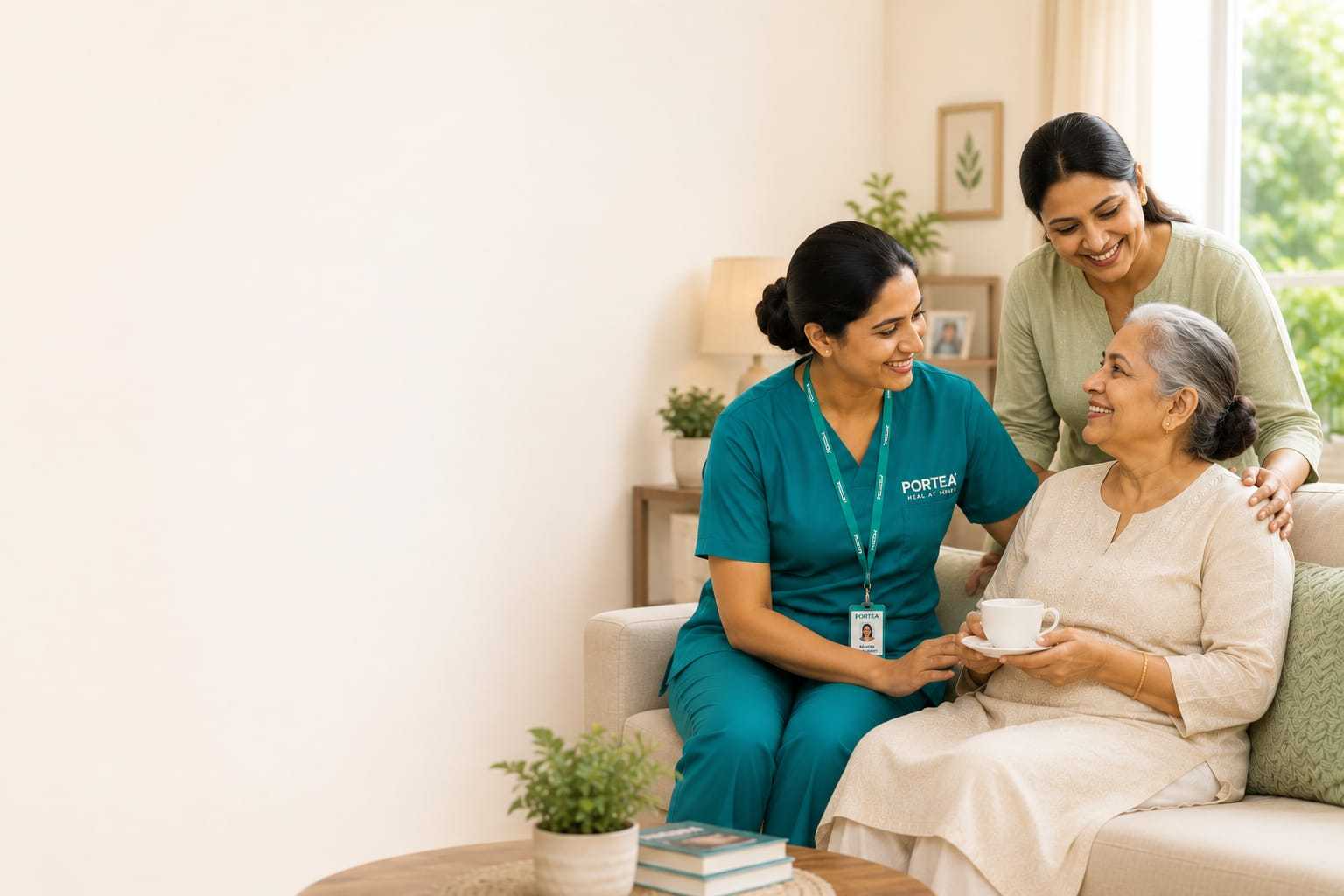
Healthcare does not always have to begin with a visit to a clinic or hospital. For many people, receiving appropriate medical attention in a familiar environment can make routine care, recovery and wellness support more convenient and comfortable. With qualified professionals and appropriate clinical processes in place, home medical services Dubai can bring essential support closer to patients while reducing the practical challenges associated with travelling for care.
The concept of healthcare at home has evolved considerably. It can now address a broad range of needs, from preventive services and routine medical support to post-procedure recovery and selected wellness therapies. This approach can be particularly useful for older adults, people recovering after procedures, busy families and individuals who may find frequent healthcare visits difficult to manage.
Understanding the Role of Home-Based Medical Care
Home healthcare is not simply about moving a consultation from a medical facility to a living room. Effective home-based care combines professional expertise, appropriate equipment, clinical supervision and a patient-centred approach. Depending on an individual’s circumstances, care may involve a doctor, registered nurse or another qualified healthcare professional. The nature of support can also vary according to the patient’s condition, treatment requirements and stage of recovery. One of the primary advantages is convenience. Patients can receive suitable services without spending additional time travelling, waiting in reception areas or arranging transportation.
Preventive Care Can Begin at Home
Preventive healthcare plays an important role in maintaining wellbeing and addressing potential health concerns at an appropriate stage. While certain screenings and investigations require a clinical facility, several preventive services can be delivered conveniently at home. Vaccinations are one example. Home-based vaccination services can make it easier for individuals and families to stay up to date with recommended immunisations, particularly when arranging a clinic visit may be inconvenient.
Routine health discussions can also help individuals understand symptoms, lifestyle considerations and when professional assessment may be appropriate. For older adults or people with mobility challenges, having qualified medical professionals visit their homes can remove some of the practical barriers that might otherwise delay routine care. Preventive support should not be viewed as a replacement for every form of clinical assessment. Instead, it can complement broader healthcare by making appropriate services more accessible and encouraging people to address their healthcare needs in a timely manner.
Supporting Patients During Recovery
Recovery is an important stage of the healthcare journey. After a medical procedure, illness or period of treatment, patients may require continued monitoring and assistance even after leaving a healthcare facility. Home-based medical support can provide a practical bridge between formal treatment and a return to normal routines. Depending on the patient’s needs and healthcare plan, professionals may assist with post-procedure monitoring, recovery guidance, medication-related instructions and other appropriate forms of follow-up.
The home environment can also provide familiarity and comfort during recovery. Being surrounded by familiar people and surroundings may make the process feel less disruptive, although clinical requirements should always determine whether home care is suitable. Importantly, home healthcare does not eliminate the need for hospital or emergency services when a patient’s condition requires them. Serious or rapidly worsening symptoms require appropriate urgent medical attention.
IV Therapy and Wellness Support at Home
Another area of modern home healthcare involves selected intravenous therapies and wellness-focused services. When clinically appropriate and administered under qualified professional supervision, these services can be provided in a patient’s home rather than requiring a separate visit to a healthcare facility. IV-based care may involve hydration or the administration of specific nutrients, vitamins or minerals, depending on the individual’s needs and treatment plan.
Professional assessment remains important because not every patient or situation is suitable for IV therapy. A properly managed service therefore involves more than administering an infusion. Healthcare professionals need to consider the patient’s circumstances, relevant medical information, potential contraindications and appropriate follow-up. This helps ensure that convenience remains aligned with clinical responsibility.
Why Professional Supervision Matters
The quality of home healthcare depends significantly on the professionals delivering it. A comfortable setting is valuable, but comfort alone cannot replace appropriate clinical standards. Patients should consider whether a service involves appropriately licensed healthcare professionals, clear communication, suitable medical equipment and proper supervision. Depending on the service, physician involvement can also provide an additional layer of clinical oversight.
Good home healthcare should have a clear process for what happens before, during and after a visit. Patients should understand the nature of the service, any preparation required and what follow-up may be recommended. This structured approach helps transform a home visit from a simple convenience into an organised component of healthcare delivery.
Choosing the Right Home Healthcare Provider
Selecting a provider requires more than comparing availability or convenience. Patients should look for healthcare organisations that prioritise qualified professionals, patient safety and clear communication. It is also useful to understand the range of services available. A provider offering preventive care, medical visits, recovery support and wellness services may be able to address different stages of a patient’s healthcare journey through a coordinated approach. Transparency is equally important. Patients should know what a service includes, who will provide it and what follow-up arrangements are available. These details can help families make informed decisions about whether home-based care is appropriate for their particular needs.
Conclusion
Healthcare is becoming increasingly responsive to the way people live and manage their daily responsibilities. For suitable medical needs, receiving professional support at home can make care more accessible while allowing patients to remain in a familiar environment. From preventive vaccinations to post-procedure support and selected IV therapies, the range of services available at home demonstrates how medical care can extend beyond traditional healthcare settings. The key is to combine convenience with professional assessment, qualified care and appropriate clinical oversight.
For individuals and families exploring this approach, ONCURE Home Healthcare represents a care model focused on bringing professional medical support into a comfortable home environment. Its services connect medical and nursing support with preventive needs, recovery assistance and wellness-focused care, reflecting an approach designed to make home visits structured, convenient and patient-focused. Those seeking a trusted home healthcare company in Dubai can consider providers that place professional standards, personalised attention and patient comfort at the centre of their home-care approach.