

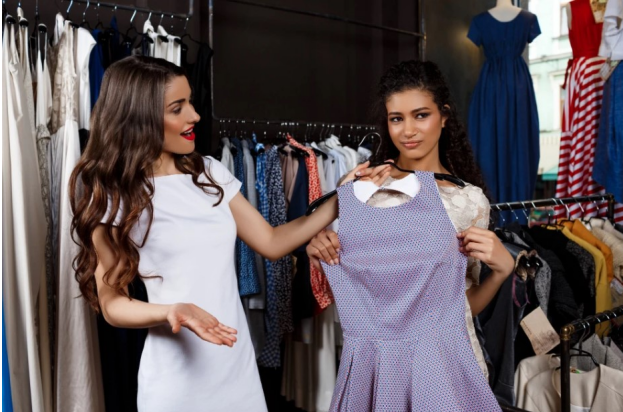
The wholesale clothing industry is a dynamic and essential sector within the global fashion landscape. This segment plays a pivotal role in connecting manufacturers, retailers, and consumers, bridging the gap between the production and distribution of garments. Wholesale clothing encompasses a diverse range of products, business models, and trends, making it a fascinating realm to explore.
The Basics of Wholesale Clothing:
Wholesale clothing refers to the practice of purchasing garments in bulk quantities directly from manufacturers or distributors at lower prices than what individual retail customers would pay. These goods are then sold to retailers, boutique owners, and even individuals who operate their own businesses. The wholesale model benefits both buyers and sellers. Retailers acquire products at reduced costs, enabling them to offer competitive prices to end customers, while manufacturers secure larger orders and a steady stream of business.
Key Players in the Wholesale Clothing Industry:
Manufacturers: These are the primary sources of wholesale clothing. Manufacturers design, produce, and supply garments in bulk to meet the demands of various markets. They often work closely with designers to create collections or produce garments based on market trends.
Wholesalers/Distributors: Wholesalers act as intermediaries between manufacturers and retailers. They purchase goods in large quantities from manufacturers and sell them to retailers at slightly higher prices. Distributors play a crucial role in providing retailers with a wide range of clothing options without requiring them to source from multiple manufacturers.
Retailers: Retailers are the final link in the wholesale clothing chain. They buy clothing from wholesalers and sell them directly to consumers. Retailers can be brick-and-mortar stores, online shops, boutiques, or even individual sellers at flea markets or events.
Advantages of Wholesale Clothing:
Cost-Effective: Purchasing clothing in bulk quantities reduces the per-unit cost, allowing retailers to achieve higher profit margins or offer competitive prices to customers.
Variety: Wholesalers provide retailers with access to a diverse range of clothing styles, sizes, and designs, enabling them to cater to different customer preferences.
Ease of Startup: Entrepreneurs and small business owners often find it easier to enter the retail market by sourcing wholesale clothing. This eliminates the need to design and produce garments from scratch.
Market Insight: Wholesale clothing businesses are often at the forefront of fashion trends. Retailers can gain insights into emerging styles and consumer preferences by collaborating with wholesalers.
Challenges in the Wholesale Clothing Industry:
Quality Control: Ensuring consistent quality across bulk orders can be challenging. Retailers need to establish trust with reliable manufacturers and wholesalers to maintain their reputation.
Trends and Timeliness: The fashion industry evolves rapidly, and wholesale orders are usually placed months in advance. Retailers must accurately predict trends to ensure that their stocked inventory remains relevant.
Inventory Management: Managing large quantities of inventory can be complex. Overstocking or understocking can lead to financial losses and missed opportunities.
Competition: The wholesale clothing sector is highly competitive. Retailers need to differentiate themselves through unique offerings, exceptional customer service, or specialized niches.
Trends Shaping the Wholesale Clothing Industry:
Sustainable Fashion: Increasing awareness of environmental issues has led to a growing demand for sustainable and ethically produced clothing. Wholesalers and manufacturers are adapting by offering eco-friendly options.
Fast Fashion vs. Slow Fashion: The debate between fast fashion, characterized by quickly produced and affordable trends, and slow fashion, emphasizing durability and timeless style, has influenced wholesale clothing strategies.
E-Commerce Expansion: The rise of online shopping has transformed how wholesale clothing is bought and sold. Online platforms make it easier for retailers to connect with wholesalers and offer a wider range of products to consumers.
Personalization and Diversity: Consumers are seeking clothing that reflects their individuality. Wholesalers are accommodating this demand by offering a diverse range of styles, sizes, and customization options.
In conclusion
The wholesale clothing industry serves as the backbone of the fashion ecosystem, enabling manufacturers to reach a broader market and retailers to curate diverse collections. Its adaptability to changing trends, evolving business models, and consumer demands highlights its significance within the larger fashion landscape. As the industry continues to evolve, those involved in wholesale clothing must navigate challenges and seize opportunities to remain relevant and successful in a dynamic market.