

It is 4 p.m., homework is waiting, dinner is still being prepared, and a hungry child is already asking for something to eat. These everyday moments show why snacks need to be practical as well as nutritious. Healthy simple snacks for kids do not need long recipes or unusual ingredients. A well-planned snack can use familiar foods, take only a few minutes to prepare, and still contribute useful nutrients to a child’s overall eating pattern.
Begin With What Is Already At Home
The easiest snack routine often starts with the kitchen pantry rather than a complicated recipe book. Fruits, curd, roasted legumes, grains, vegetables, nuts or seeds where age-appropriate, and other everyday foods can become the foundation for quick snacks.
Using familiar ingredients also makes preparation easier for parents. Instead of treating snacks as a separate cooking project, families can use ingredients that are already part of breakfast or lunch.
This approach saves time while making nutritious choices more accessible during busy afternoons.
Give Snacks A Clear Purpose
A snack does not need to replace a complete meal. Its purpose is usually to bridge the gap between meals when a child is hungry.
Timing matters. A child who has eaten lunch recently may need only a small snack, while someone returning from sports may have a greater appetite.
Parents can observe their child’s usual hunger patterns and adjust snack timing accordingly. This helps prevent snacks from becoming so large that they interfere with the next main meal.
Combine Familiar Foods
A simple snack can become more satisfying when two complementary foods are combined. Fruit with curd, roasted chana with a grain-based food, or a small vegetable sandwich are examples of combinations that can fit different routines. These can be practical choices when planning simple healthy snacks for kids without making preparation complicated.
The goal is not to create a perfect nutritional formula every time. Instead, parents can look at the foods offered across the whole day and introduce variety where it is useful.
This makes snack planning more flexible and avoids putting too much nutritional responsibility on one food.
Use Seasonal Ingredients
Seasonal fruits and vegetables can add natural variety to children’s snacks. They also give families an opportunity to introduce different colours, flavours, and textures throughout the year.
A child who enjoys mango may later be introduced to guava, papaya, oranges, berries, or other locally available fruits. Vegetables can also appear in simple preparations such as sandwiches, wraps, savoury pancakes, or other familiar foods.
There is no need to offer everything at once. Changing ingredients gradually can keep the snack routine interesting.
Choose Balanced Packaged Options
Homemade snacks are useful, but they are not always possible. School mornings, travel, family commitments, and unexpected schedule changes can make convenient foods helpful.
When selecting packaged options, parents can read the ingredient list and nutrition information rather than relying only on front-of-pack claims. Serving size, sugars, sodium, fats, protein, and other relevant information can help provide a clearer picture of the product.
Packaged food can be part of a varied diet when it is selected thoughtfully and does not consistently replace more nutrient-rich foods.
Think About Protein Across Meals
Protein does not need to come from one specific snack or product. Lentils, beans, pulses, dairy foods, eggs, nuts, seeds, soy foods, and other suitable choices can contribute to a child’s daily intake.
Parents may encounter products such as a kids milk mix powder that are marketed as convenient nutritional additions. Whether such a product is appropriate depends on the child’s overall diet, age, nutritional needs, and individual circumstances.
A supplement should not automatically be considered necessary for every child. If there are concerns about growth, restricted eating, nutrient deficiencies, allergies, or other dietary issues, professional guidance from a pediatrician or qualified dietitian can help.
Keep Portions Suitable For Age
Portion size should reflect the child’s age, appetite, activity level, and the timing of the next meal.
Starting with a modest serving can be practical. If the child remains hungry, another serving can be offered when appropriate.
This approach also helps reduce food waste. Children do not necessarily need adult-sized portions simply because the food itself is nutritious.
Create A Small Weekly Rotation
A snack routine becomes easier when parents have several dependable choices instead of trying to invent something new every day.
For example, the week might include fruit-based snacks, grain-based preparations, dairy combinations, roasted foods, homemade options, and suitable ready-to-eat products. These choices can make it easier to include healthy simple snacks for kids without making snack planning feel repetitive.
The exact rotation can change according to season, availability, school schedules, and the child’s preferences. The aim is simply to prevent the family from depending on one food every afternoon.
Observe What Actually Works
Children provide useful feedback through their behaviour. If a snack repeatedly comes back untouched, parents can consider whether the problem is taste, texture, portion size, timing, or presentation.
Likewise, if a particular combination leaves the child satisfied and is easy to prepare, it may deserve a regular place in the rotation.
This observation-based approach keeps snack planning realistic. Instead of following a rigid menu, families can gradually develop a routine that suits their own circumstances.
Keep Food Enjoyable
Nutrition is important, but children also need to develop a comfortable relationship with food. Snacks can introduce new flavours, allow family interaction, and provide opportunities to enjoy different ingredients.
Parents can encourage children to try unfamiliar foods without forcing them to finish everything. Repeated, relaxed exposure may help children become more comfortable with foods they initially reject.
A calm snack environment can be just as valuable as an elaborate recipe.
Conclusion
Simple snacks can contribute meaningfully to a child’s overall eating pattern when parents focus on variety, appropriate portions, convenient preparation, and the child’s individual needs. There is no requirement for every snack to be elaborate. Familiar foods, seasonal ingredients, balanced combinations, and occasional convenient options can all have a place in a practical routine.
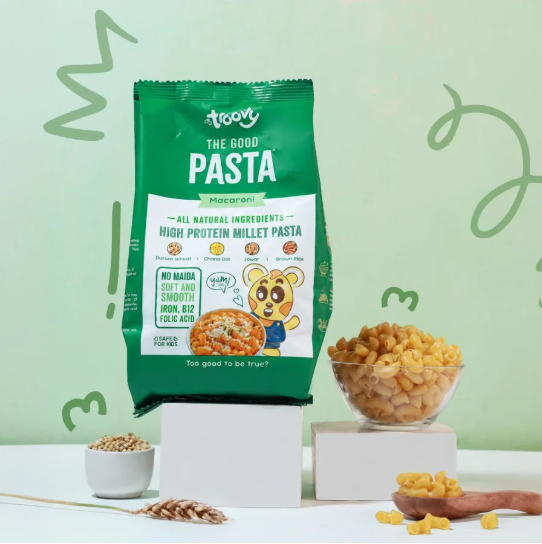
For families looking for convenient choices to complement everyday homemade foods, Troovy offers a range of products that can be explored as part of a varied routine featuring simple healthy snacks for kids.