

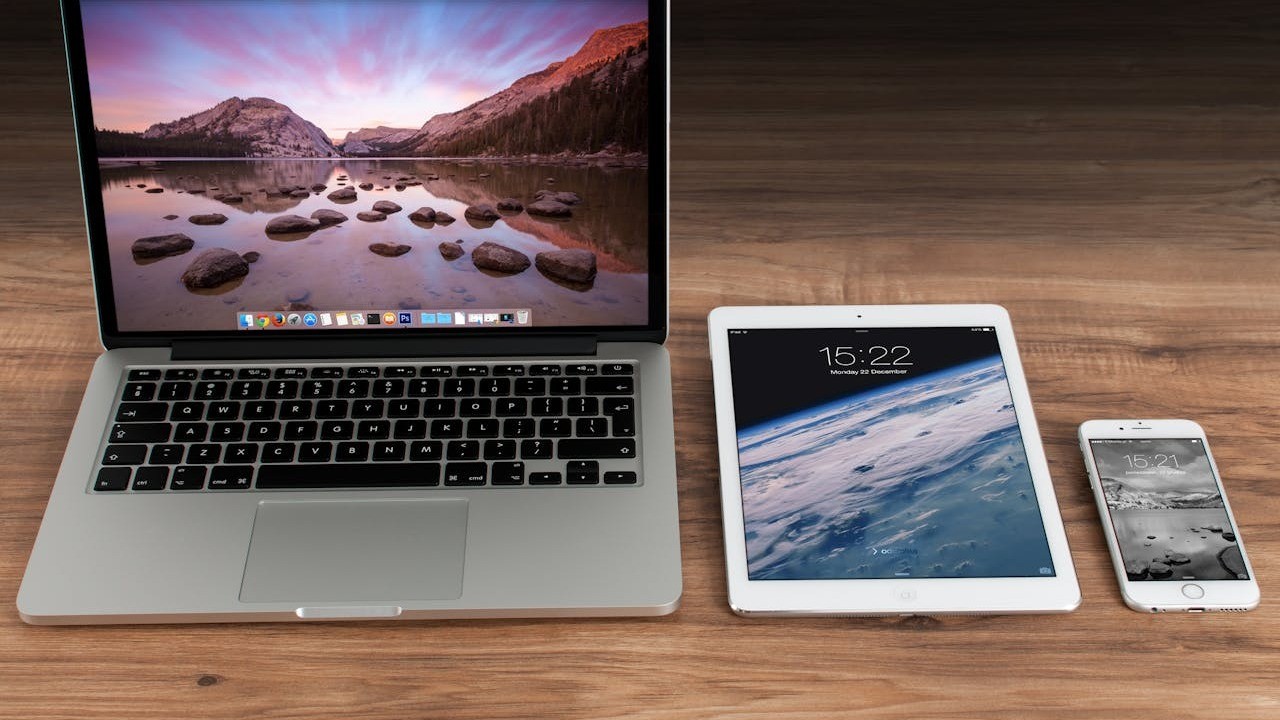
In the digital age, our devices are always within arm’s reach. Smartphones, laptops, tablets, and other gadgets are designed to keep us connected 24/7, and while this constant connectivity offers convenience, it can also be overwhelming. Many people are starting to realize the importance of taking a break from technology—a digital detox—to regain control over their time and mental well-being.
What is a Digital Detox?
A digital detox is the act of disconnecting from electronic devices for a specific period to reduce screen time and reclaim personal space. This can mean anything from turning off notifications and reducing social media use to spending a day without any screens at all. A digital detox is intended to help break the cycle of constant connectivity, allowing you to focus on the present moment and engage in activities that nurture your mind and body.
The Negative Impact of Constant Connectivity
While technology offers numerous benefits, such as instant access to information and the ability to stay in touch with others, there are downsides to being constantly connected. Studies have shown that excessive screen time can lead to increased stress, sleep disturbances, and even anxiety. The constant bombardment of information can overwhelm the mind and prevent you from being present in the moment.
Additionally, spending too much time on devices can reduce the quality of your relationships. When you’re always on your phone or computer, you’re less likely to engage in face-to-face conversations or spend quality time with loved ones.
The Benefits of a Digital Detox
1. Improved Mental Health
Taking time away from screens can significantly reduce stress and improve mental health. By disconnecting, you allow your brain to rest and recharge. This break helps lower anxiety levels and promotes emotional well-being. A digital detox can also provide a sense of freedom, as you’re no longer controlled by the constant flow of notifications and updates.
2. Better Sleep
Excessive screen time, especially before bed, can disrupt your sleep patterns. The blue light emitted by devices interferes with the production of melatonin, a hormone that regulates sleep. By cutting back on screen time, especially in the evening, you can improve your sleep quality and wake up feeling more refreshed.
3. Increased Productivity
When you’re not constantly distracted by notifications or the urge to check social media, you can focus more on your tasks. A digital detox allows you to be more present and productive, whether you’re working on a project, reading, or simply engaging in a hobby.
4. Enhanced Relationships
A digital detox can also improve the quality of your relationships. By unplugging from devices, you can give your full attention to the people around you. Spending quality time with loved ones, without the distraction of phones and screens, can lead to more meaningful connections.
How to Do a Digital Detox
Start small. A digital detox doesn’t have to mean completely abandoning technology for days at a time. You can begin by setting aside specific periods each day when you disconnect, such as during meals or before bed. Gradually increase these detox periods until you can go a full day without screens.
During your detox, engage in activities that nourish your mind and body. You might want to read a book, take a walk, try meditation, or explore new digital experiences like PG SLOT. While it’s important to disconnect, it’s also valuable to enjoy the entertainment and relaxation that digital platforms can provide when used mindfully.
Conclusion: Reclaiming Control with a Digital Detox
A digital detox is not about rejecting technology altogether, but about finding a healthy balance. By disconnecting periodically, you can improve your mental health, sleep, productivity, and relationships. It’s a powerful way to regain control over your time and create space for activities that truly matter.